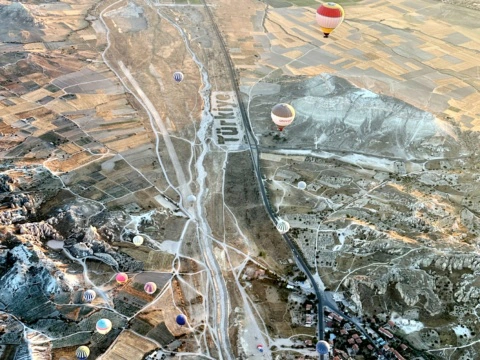
A region carved by nature and men, Cappadocia is most famous for its unique geological features and layers of history.
Located in central Turkey, Cappadocia is a UNESCO World Heritage Site famous for its surreal landscapes, ancient cave dwellings, unique fairy chimneys, and iconic hot air balloon rides. This fascinating region spans parts of Nevşehir Province, Kayseri Province, and surrounding areas, encompassing several towns and valleys.
After visiting Istanbul and Antalya, we made this historic region in Central Anatolia our final stop in Türkiye. If you only have 48 hours to explore, like we did, here's a guide to the best things to do in this enchanting destination.
Cappadocia Overview
Country: Türkiye (Turkey)
Country Code: +90
Continent: Asia (West)
Currency: Turkish Lira (TRY / TL)
Airport: Nevşehir Kapadokya Airport (NAV) and Kayseri Erkilet Airport (ASR)
Language: Turkish, English
1. Stay in a Cave Hotel
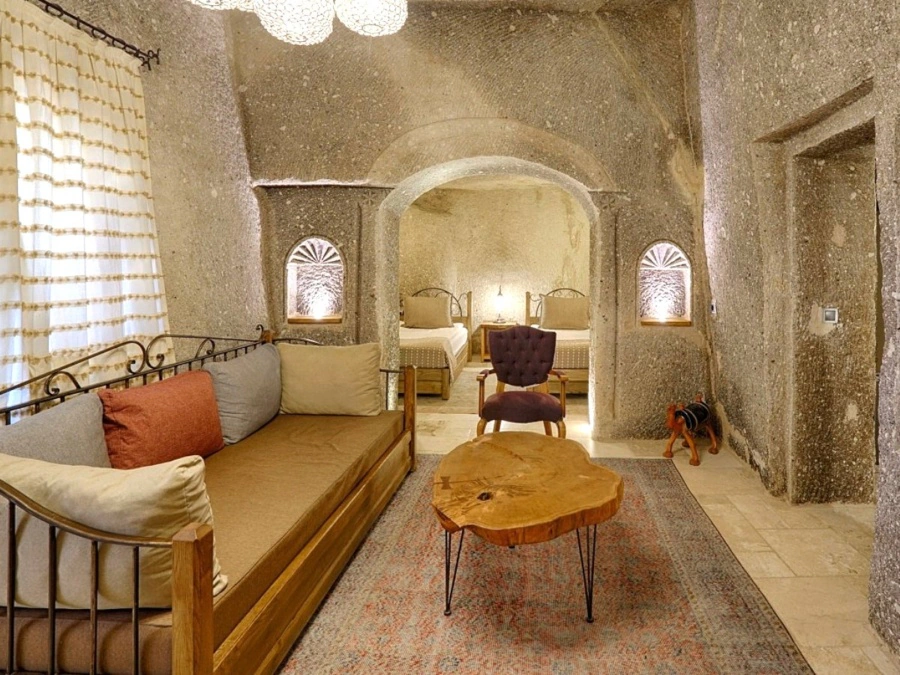
Photo: Hera Cave Suites
Cave hotels are the most famous type of accommodation in Cappadocia. Thanks to the region's soft volcanic rock, which was historically carved into homes, many cave hotels exist here. Curious what it's like to stay in one? Check out my full review of Hera Cave Suites.
Hera Cave Review Find Göreme Hotels
2. Float on a Hot Air Balloon
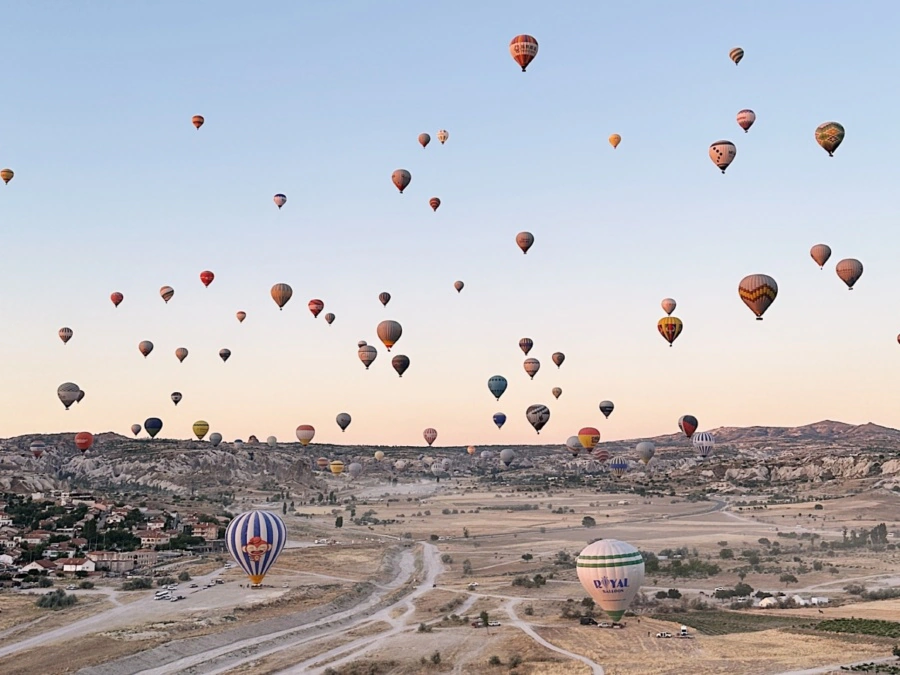
Hot Air Balloons in Göreme. Photo: Lord Acuña
Did you even go to Cappadocia if you didn't ride a hot air balloon? From above, you'll be treated to a surreal landscape of fairy chimneys, valleys, ancient cave dwellings, churches, and hundreds of balloons drifting alongside you. This iconic experience deserves a spot on your travel bucket list! Read my full review of our hot air balloon ride experience.
Hot Air Balloon Review Book Hot Air Balloon
3. Admire the Sweeping Views at Göreme Panorama
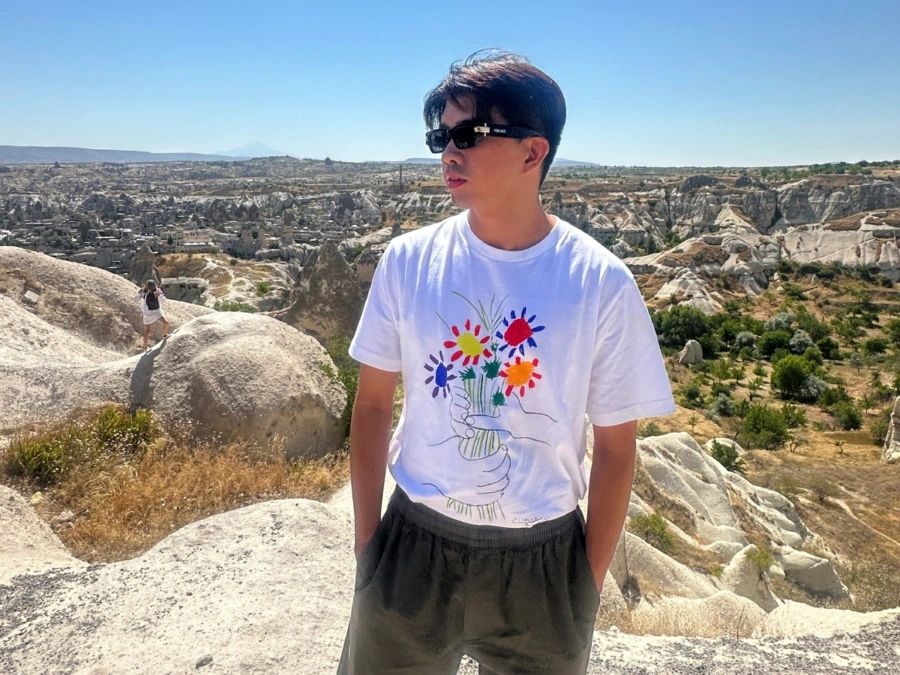
Photo: Andrea Lau
Can't ride a hot air balloon in Cappadocia? No problem! Göreme Panorama offers an excellent alternative for soaking in the region's breathtaking scenery. From this elevated viewpoint, you can enjoy sweeping views over Göreme's fairy chimneys, cave homes, and surrounding valleys – making it one of the best lookouts in Cappadocia.
4. Explore the Derinkuyu Underground City
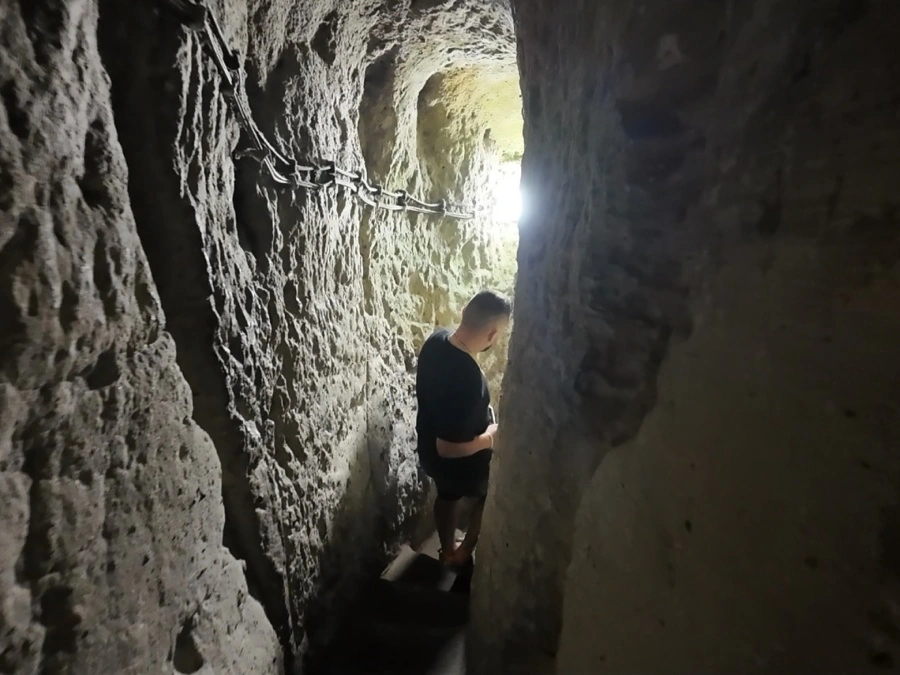
Our tour guide leading the way as we descended into the underground city. Photo: Lord Acuña
Derinkuyu, once called Elengubu, ranks as the largest excavated underground city in the world. It extends more than 85 metres underground across 18 levels of tunnels. Used for thousands of years, it once sheltered up to 20,000 inhabitants. You can explore this remarkable site today, but proceed with caution if you're claustrophobic.
5. Stop by Pigeon Valley
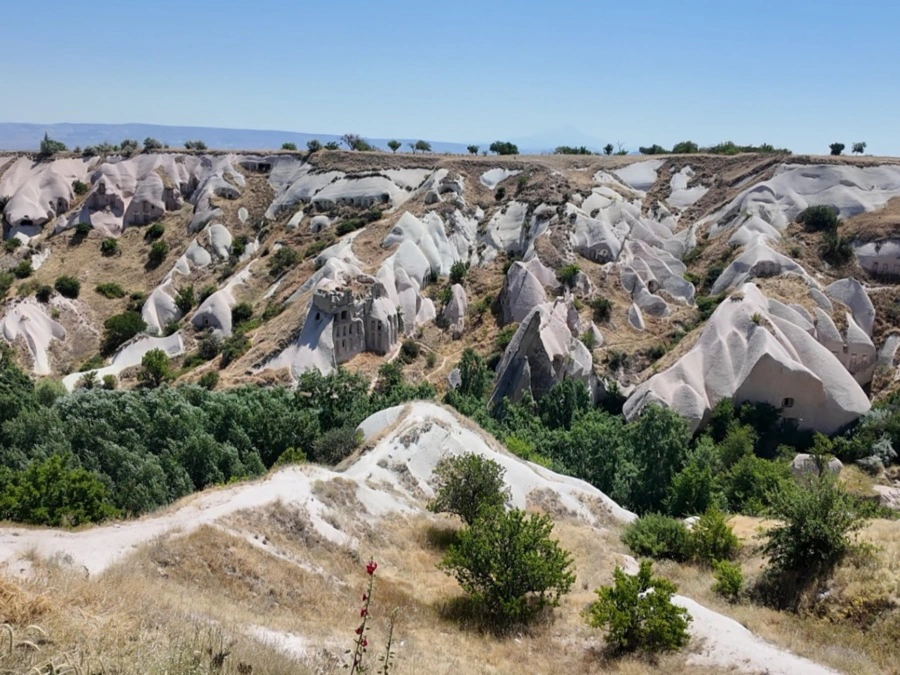
A whistle-stop at Pigeon Valley. Photo: Lord Acuña
Güvercinlik Vadisi, or Pigeon Valley, gets its name from the countless man-made dovecotes carved into the region's soft volcanic tuff. These rock-cut nests, once created to house pigeons, continue to shelter various bird species to this day.
6. Hike Up to Selime Monastery
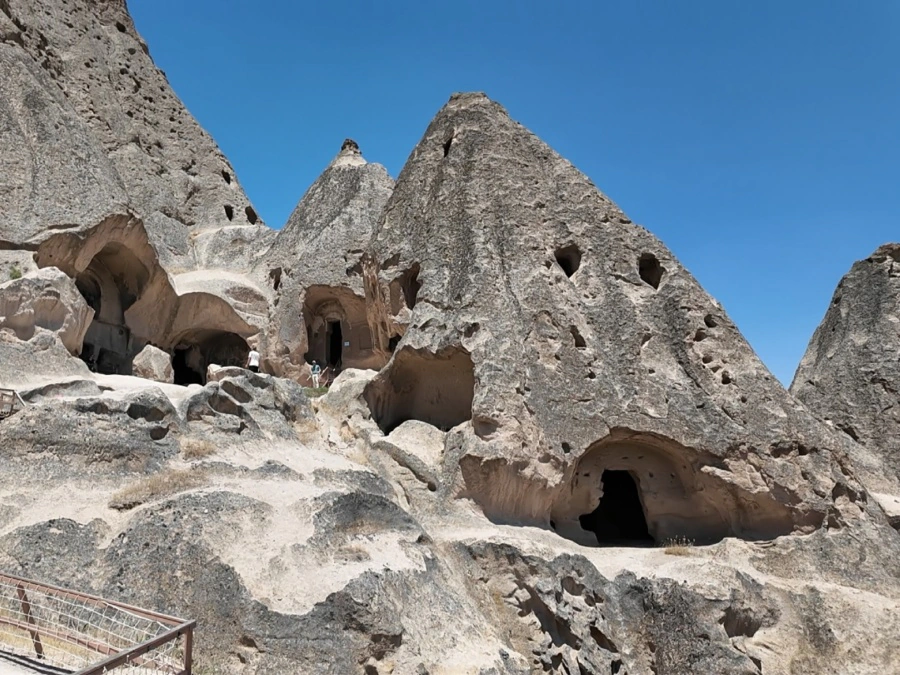
Quite a workout to get up to the monastery. Photo: Lord Acuña
Selime Monastery is an impressive cliffside religious complex at the end of the Ihlara Valley. Monks carved cathedral-sized chambers, living quarters, and chapels directly into the towering volcanic cliffs. From the top, you'll enjoy panoramic views of the surrounding landscape.
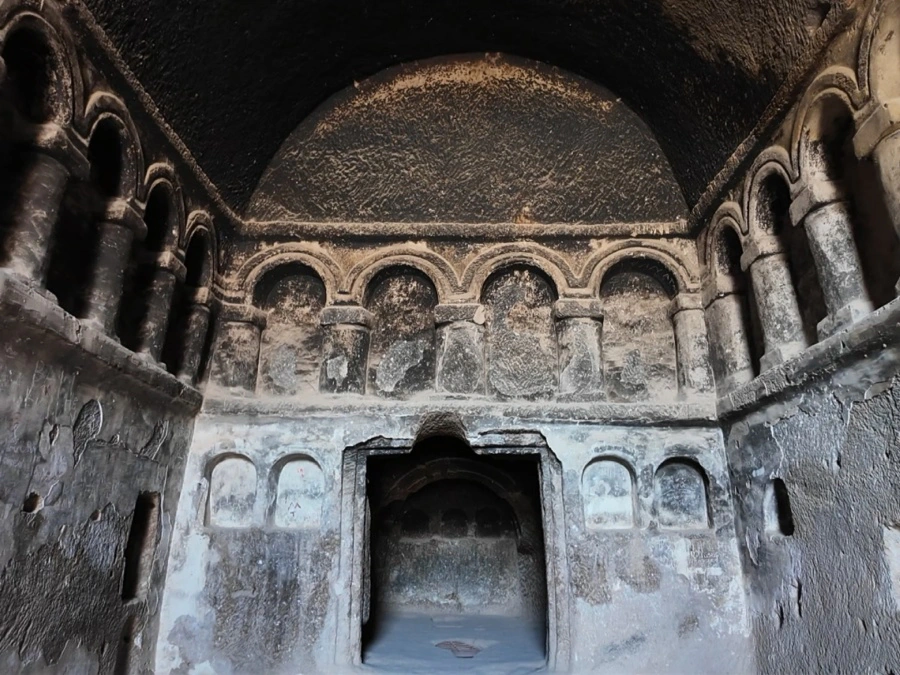
One of the churches in Selime Monastery. Photo: Lord Acuña
What fascinated me most were the detailed carvings on the walls and the faded frescoes inside the churches. Seeing them up close, it's amazing how much of this history has survived the centuries.
7. Walk Along the Ihlara Valley
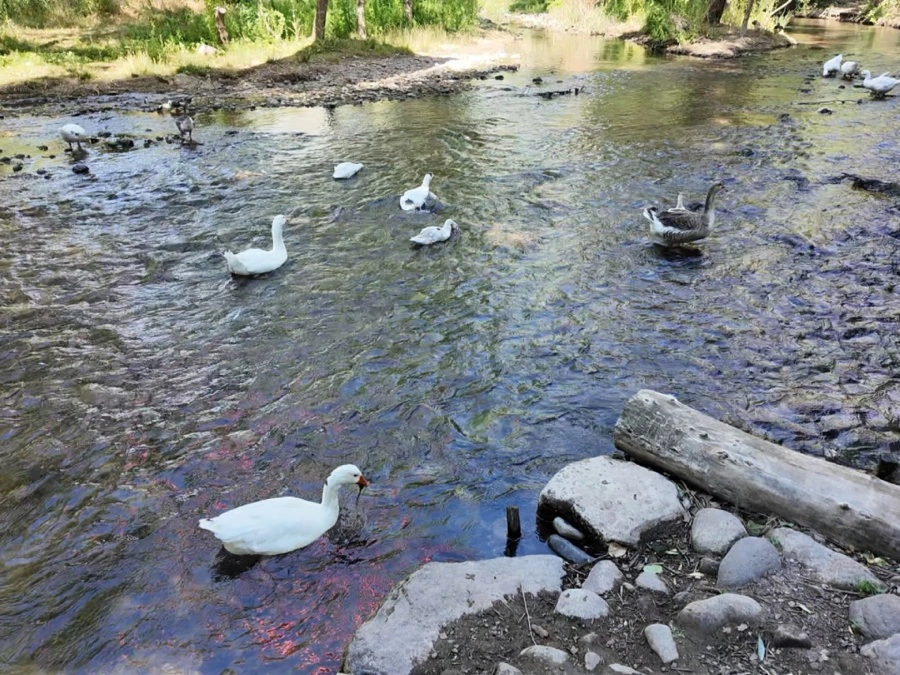
A nice change of environment. Photo: Lord Acuña
Ihlara Valley is a lush canyon stretching approximately 14 kilometres. We enjoyed a scenic walk along the Melendiz River and stopped by a local village. The experience is a refreshing change from Cappadocia's fairy chimney-dominated landscapes, offering a peaceful setting accompanied by the gentle sound of flowing water.
8. Shop and Eat in Göreme Town Centre at Night

Celebrating my birthday!
Göreme's town centre offers no shortage of excellent food spots serving Turkish favourites such as kebabs and other local specialities. You can also take home a piece of Cappadocia by browsing the many souvenir shops. After dark, the area transforms into a magical, illuminated scene, with glowing fairy chimneys and stone houses set against starry skies.
9. Fall in Love in Love Valley
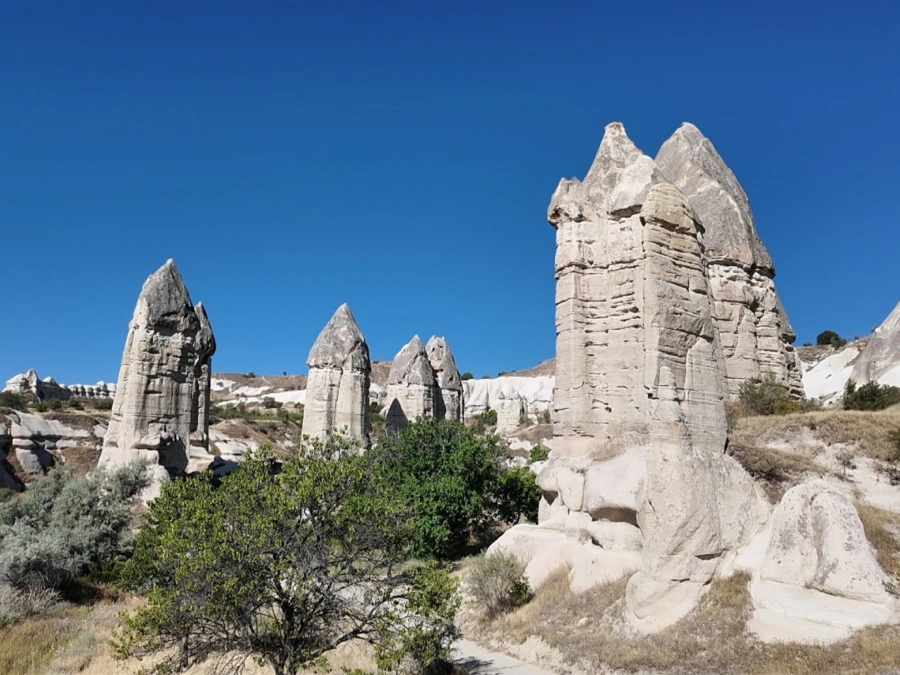
Interesting shape, isn't it? Photo: Lord Acuña
Love Valley is famous for its distinctive phallic-shaped rock formations sculpted by natural erosion over millions of years. About 4 kilometres from Göreme's town centre, the valley is easily accessible on foot. We visited just before heading to the airport, making it a memorable final stop in Cappadocia.
Comments
Be the first to comment!